

If you’ve been watching Dubai real estate for more than five minutes, you’ve noticed one thing: most of what’s selling isn’t even built yet. Off-plan properties in Dubai have gone from “niche investor play” to the engine of the entire market.
That doesn’t mean every off-plan project is a goldmine. It means you need to understand exactly what you’re buying, how the risk–reward trade-off works, and how to use Dubai’s legal protections and payment plans to your advantage.
This guide walks you through off-plan property in Dubai from end to end: what it really means, how it differs from ready property, the real benefits and risks, how payment plans and regulations work, and how to decide if buying off-plan in Dubai actually makes sense for you.
What Does “Off-Plan” Property Mean in Dubai?
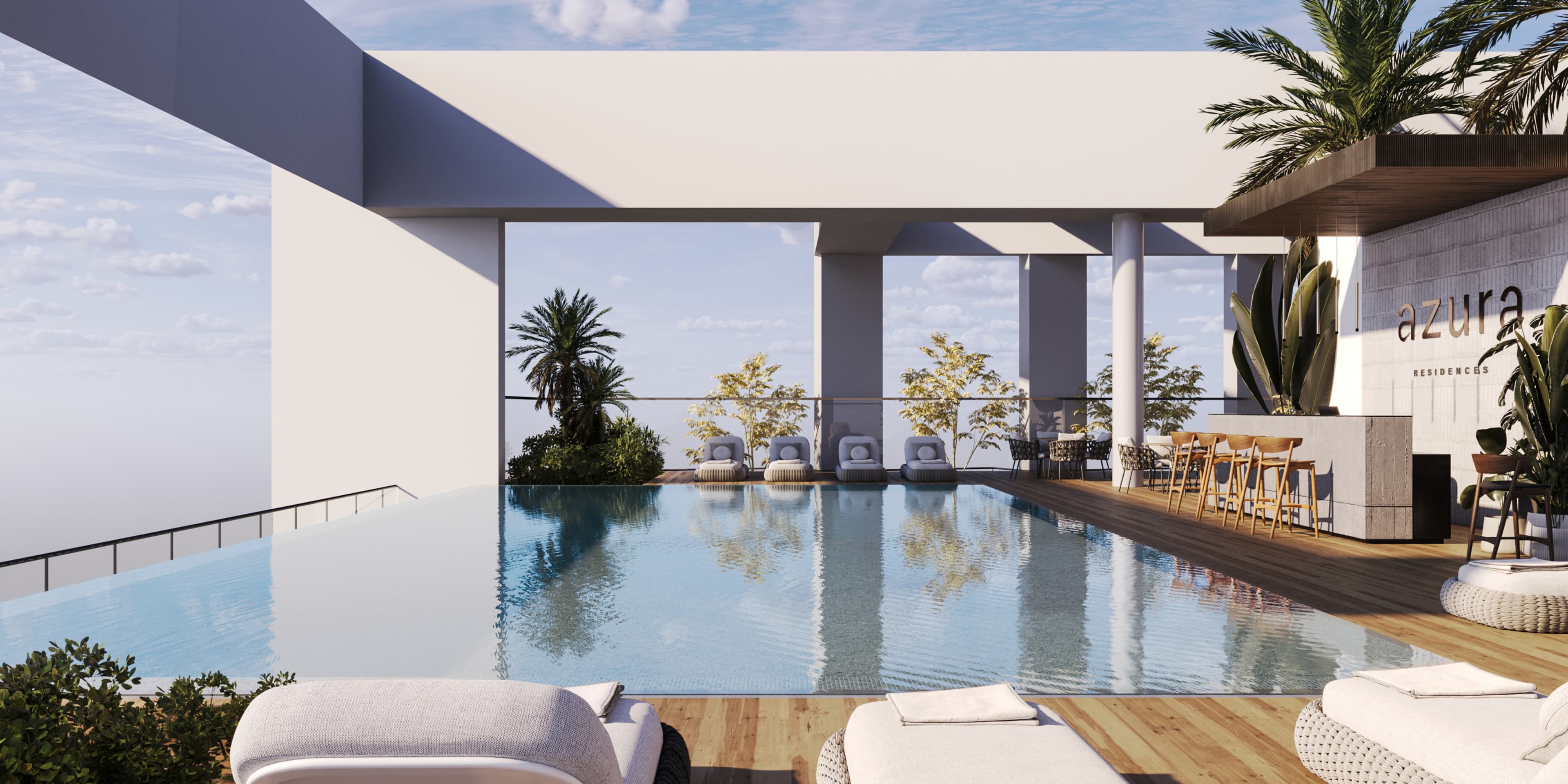
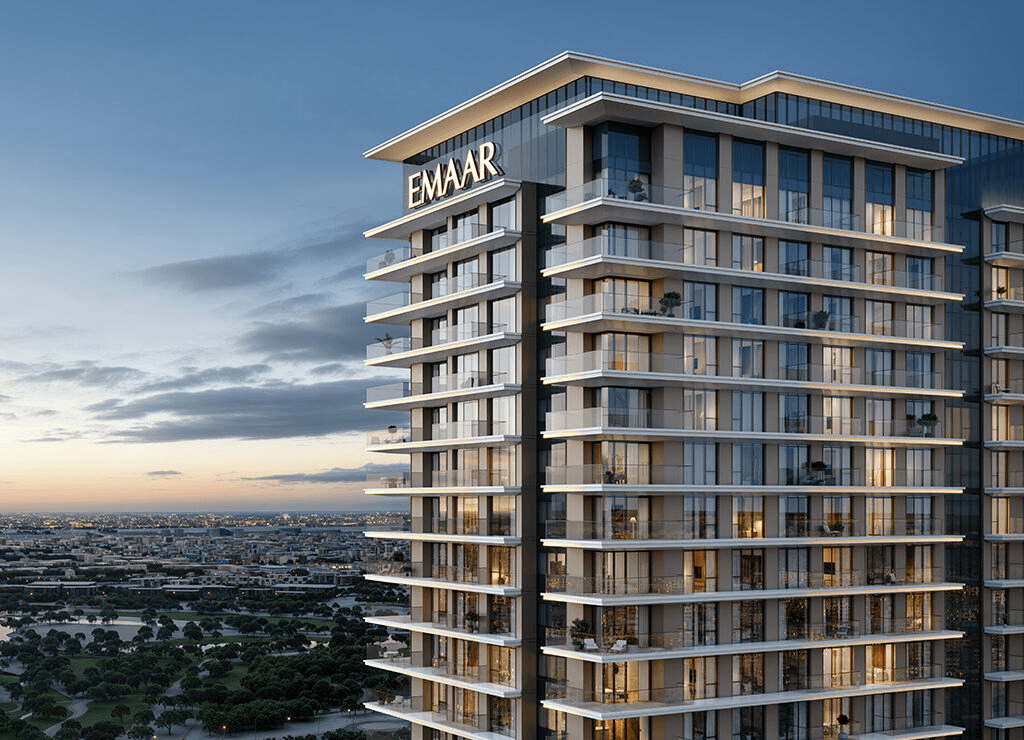
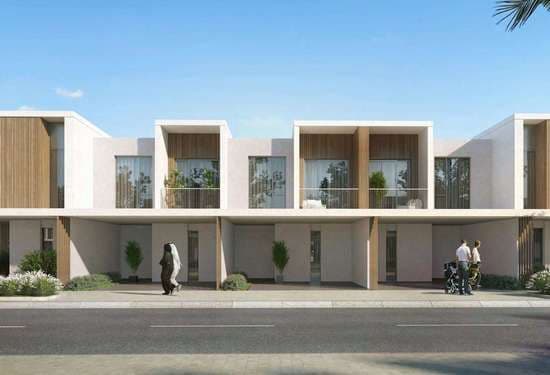
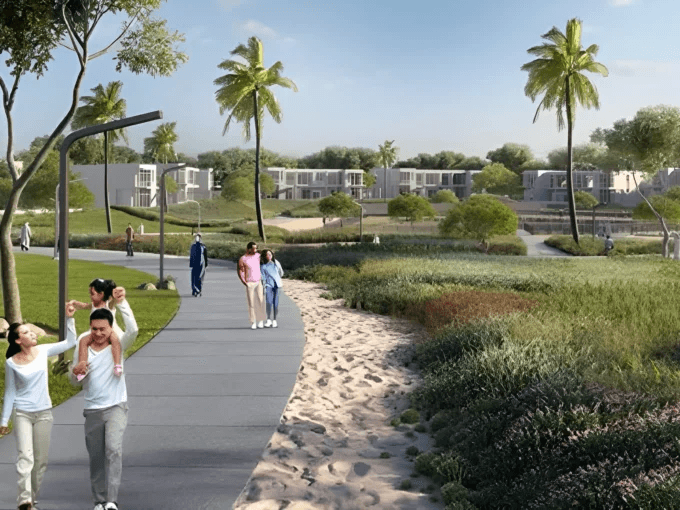
“Off-plan” simply means you’re buying a property that isn’t completed yet. In many Dubai off-plan projects, you’re committing before construction even starts.
Instead of walking through a finished apartment, you’re relying on:
- Masterplans and architectural drawings
- Marketing renders and brochures
- A show apartment or villa (when available)
- A legally binding specification of layouts, finishes and amenities in the SPA (Sale and Purchase Agreement)
You then pay the developer in instalments, usually linked to construction milestones, and take possession when the project is handed over.
Most off-plan real estate in Dubai is sold in designated freehold areas and is open to both UAE nationals and foreign investors. That’s why you see so many launches in communities like Dubai Hills Estate, Dubai Creek Harbour, Dubai Marina, Downtown Dubai, Business Bay, JVC and newer destinations like Dubai South and Palm Jebel Ali.
Why Off-Plan Properties Are So Dominant in Dubai
Off-plan property in Dubai isn’t a side-show; it’s the main act. Recent data shows:
- Off-plan apartment sales in 2023 reached around AED 131.5 billion out of about AED 190.1 billion total apartment sales.
- Off-plan villas recorded around 8,234 transactions, totalling about AED 26.4 billion.
- By April 2026, off-plan deals made up roughly 76% of all residential transactions in Dubai.
That dominance is driven by a combination of factors:
- Continuous launch of new master communities (Dubai Hills Estate, Dubai Creek Harbour, Dubai South, Dubai Islands, Palm Jebel Ali, Tilal Al Ghaf, and more).
- Fast population and expatriate growth, which keeps demand for new homes and rentals high.
- Government policies that favour investment: generally predictable regulation and an attractive tax environment.
- Developers competing via flexible payment plans, launch discounts, DLD fee waivers and other incentives.
For both first-time buyers and seasoned investors, buying off-plan in Dubai has become a default way to access new communities, modern amenities and long-term growth potential with a lower entry cost than many ready properties.
Off-Plan vs Ready Property in Dubai: What’s the Difference?
Before you decide whether to buy off-plan property in Dubai, you need to see it clearly beside your other option: ready (completed) or secondary-market property.
Off-Plan Property in Dubai
- Bought before completion (sometimes pre-construction).
- Often priced lower at launch than comparable ready stock in similar locations (though not always in today’s prime launches).
- Paid in phased instalments over the construction period and sometimes beyond (post-handover).
- You can’t live in it or rent it out until handover.
- You’re relying on plans, renders and contractual specs, so there is some execution and timeline risk.
- Frequently in emerging or newly built communities with big long-term upside.
Ready / Secondary Property
- Already built – you can inspect the exact unit.
- Typically requires more upfront capital or an immediate mortgage for most of the price.
- Can generate rental income from day one if you rent it out.
- Lower uncertainty around layout, finishes and community infrastructure.
- Often in more established communities with mature amenities and transport.
In simple terms: off-plan real estate in Dubai suits you if you prioritise flexible finance and long-term capital appreciation. Ready property suits you if you prioritise certainty, immediate use and instant rental income.
Key Advantages of Buying Off-Plan Property in Dubai
Let’s unpack the main upsides that attract people to off-plan investments in Dubai.
1. Lower Entry Prices and Initial Costs
One of the strongest benefits of off-plan property in Dubai is the lower entry cost compared with similar ready properties.
- Developers usually offer launch or “early bird” pricing to create momentum.
- Average price per square foot for off-plan units is often below that of comparable ready stock in nearby buildings or communities.
- You avoid the need for a full mortgage at day one; your equity goes in gradually.
That said, be careful: in certain prime launches – branded residences, iconic waterfront towers, ultra-luxury villas – off-plan prices can already match or exceed older ready stock. The “discount” isn’t automatic anymore, so you need to compare project by project.
2. Flexible Payment Plans
Flexible payment plans are a major reason buying off-plan in Dubai is so popular with both residents and overseas investors.
Typical structures include:
- Low booking / down payment: Often 5–20% to reserve your unit (10% is very common).
- Construction-linked instalments: Further payments tied to build milestones (e.g. 10% at 20% completion, 10% at structure, etc.).
- Time-based plans: Some developers market 1% monthly installment plans or similar time-linked schedules.
- Post-handover payment plans: You pay a portion (sometimes 20–40%) in the years after handover, effectively via vendor financing.
This kind of structure lets you:
- Enter the Dubai property market with a smaller initial cash outlay.
- Align payment milestones with your income or other investments.
- Delay a mortgage until closer to completion or avoid it if you can pay from income and savings.
3. Capital Appreciation Potential
Off-plan property investment in Dubai is often used as a capital growth strategy.
- You buy at today’s price for a home or investment that delivers in 2–5 years.
- As construction progresses and the wider community takes shape, prices often move upward.
- Many projects launched in 2022–2023 have already seen strong capital appreciation by or even before handover, especially in:
- Waterfront communities (Emaar Beachfront, Dubai Creek Harbour, Dubai Marina).
- Branded residences and lifestyle-led developments.
- Major master plans like Dubai Hills Estate, Dubai Islands, Palm Jebel Ali and Dubai South.
If you enter at a reasonable launch price in a high-demand location, you may benefit from:
- Price gains during construction, sometimes enabling a profitable resale before handover (subject to developer resale rules).
- Further growth after handover as roads, schools, malls, parks and metro connections come online.
4. Strong Rental Yield Potential
Dubai’s rental market is driven by a large expatriate population and continued job creation. Tenants increasingly prioritise newer, amenity-rich communities close to work, schools and lifestyle destinations.
Off-plan developments in areas like Business Bay, Downtown Dubai, Dubai Hills Estate, JVC, Dubai Marina and emerging hubs like Dubai South and Dubai Creek Harbour are typically designed with those tenants in mind:
- Modern layouts and efficient use of space.
- Shared amenities such as pools, gyms, co-working spaces and children’s play areas.
- Smart-home features and sustainability elements that appeal to higher-paying tenants.
The result is often competitive or high rental yields once the building completes, especially in well-planned master communities with strong ongoing demand.
5. Modern, Smart and “Future-Ready” Living
New off-plan projects are usually one or two generations ahead of older stock in terms of design and technology.
- Contemporary architecture and upgraded building standards.
- Better energy efficiency, glazing and insulation.
- Integrated smart-home systems, EV charging readiness, and improved building management systems.
- Master plans with walkable streets, parks, cycling paths and community-focused layouts.
For you as an owner, that means lower maintenance and repair costs in the early years, and a product that’s easier to rent out or resell compared with older buildings that lack these features.
6. Customisation Options
Off-plan apartments and villas in Dubai often give you some degree of customisation that you’d struggle to achieve with a ready property without heavy renovation.
- Choice of interior colour schemes and finish palettes.
- Optional upgrade packages (kitchen appliances, smart-home systems, higher-spec materials).
- In villa and townhouse communities, options like extended kitchens, additional rooms or different façade styles.
This can be valuable if you’re buying for your own use and want the property to match your lifestyle – or if you’re targeting a certain tenant profile and want the layout and finishes to align with that.
7. Developer Incentives and Launch Offers
Because the Dubai off-plan market is competitive, developers frequently layer on incentives to make their launches stand out.
- Partial or full DLD (Dubai Land Department) fee waivers.
- Service charge discounts for the first few years.
- Furniture or kitchen appliance packages.
While you shouldn’t buy a weak project just for incentives, the right combination of price, payment plan and offers can significantly improve your effective ROI.
8. Strong Legal and Regulatory Framework
Compared with many emerging markets, Dubai’s off-plan ecosystem is heavily regulated, which is a critical part of why international investors feel comfortable here.
- All off-plan projects must be registered with the Dubai Land Department (DLD) and RERA (Real Estate Regulatory Agency).
- Buyer payments go into a RERA-regulated escrow account dedicated to that specific project.
- Funds are only released to the developer as certified construction milestones are reached.
- Developers must meet financial and progress requirements to launch and keep selling.
These protections don’t remove risk altogether, but they drastically reduce the chance of outright fraud or project abandonment compared with unregulated markets.
Main Risks and Disadvantages of Off-Plan Property in Dubai
Off-plan offers higher upside precisely because you’re taking risk earlier in the property lifecycle. To use it intelligently, you need to be honest about the downside.
1. Construction and Handover Delays
Delays are one of the biggest concerns with off-plan properties in Dubai.
- Projects can be delayed by approvals, contractor issues, supply chain problems or the developer’s own cash flow.
- Delays push back your move-in date, rental start date and any resale plans.
Top-tier developers usually deliver close to schedule, but you should always allow for some slippage in your planning. Avoid tying your entire life to the exact handover date (for example, ending your lease a week before the promised completion).
2. Market Fluctuations and Price Risk
Dubai’s property market, like any other, moves in cycles. If you buy off-plan at the peak of a strong upswing and the market cools by completion, you may find:
- Your property’s value has softened vs your expectations.
- Rental rates in that area are lower than you projected if a lot of supply hands over at the same time.
This is why off-plan investments in Dubai are better suited to a medium to long-term horizon (5–10 years) rather than a quick 6–12 month flip, unless you have clear data and a specific exit plan.
3. Developer Default or Underperformance
Although less common since stricter regulation arrived, there is still risk around the developer:
- A financially weak or poorly managed developer can face delays, quality problems or, in extreme cases, project suspension.
- Even if a project completes, the build quality may be below the standard suggested by the brochure or show unit.
To manage this, you want to focus on:
- Developers with a solid, visible track record of delivered projects in Dubai.
- Checking DLD/RERA registrations and the escrow account details.
- Talking to existing owners or visiting past communities by the same developer where possible.
4. No Immediate Use or Rental Income
With off-plan properties you’re paying out money for something you can’t use yet.
- You can’t live in the property until handover.
- You can’t earn rent during the build period.
- You may still be paying your own rent elsewhere while also funding instalments.
Buying off-plan in Dubai is therefore a poor match if you need either immediate accommodation or instant rental yield to support your cash flow.
5. Resale and Exit Restrictions
Most developers put conditions on selling an off-plan unit before completion:
- You can usually only resell after paying a minimum percentage of the price (commonly 30–40%, sometimes more).
- You need a No Objection Certificate (NOC) from the developer and must pay a NOC fee.
- Some projects limit resales in the very early stages to curb speculation.
These rules are not necessarily bad – they help stabilise the market – but they mean you shouldn’t rely on the option to “flip quickly” unless you’ve very clearly checked the project’s resale policy and factored in transaction costs.
6. Differences Between Plans and Final Delivery
Even in a regulated environment, what you see in renders and show apartments is marketing. The legally binding part is the specification in your SPA.
- Materials can change within contractual tolerances.
- Layouts can be slightly tweaked for structural or regulatory reasons.
- Shared spaces may not feel exactly like the glossy brochure once the building is full.
At handover, you may also encounter snagging issues: minor defects, finishing imperfections, or items that need adjustment.
Your protections here are:
- Reading the SPA specification thoroughly before you sign.
- Doing a professional snagging inspection at handover.
- Using the Defect Liability Period (DLP) to get legitimate issues rectified by the developer.
How Dubai Protects Off-Plan Buyers (RERA, DLD, Escrow)
One of the biggest advantages of off-plan property in Dubai compared to many other markets is the regulatory infrastructure behind it.
1. RERA and Dubai Land Department Oversight
- Every off-plan development must be registered with the Dubai Land Department and RERA.
- Developers have to meet specific financial and progress thresholds to start selling units.
- Off-plan sales are recorded through systems such as Oqood registration, giving transparency on your ownership during construction.
You can verify the status of a project and its developer directly via DLD/RERA channels, which is something you should do before committing.
2. Escrow Accounts Law
The Escrow Accounts Law is central to buyer protection in off-plan real estate in Dubai.
- Buyer payments go into a RERA-approved escrow account dedicated to that project.
- Money is released to the developer only as construction milestones are independently verified.
- If a serious problem occurs, the escrow mechanism helps ensure funds are tied to actual progress rather than simply disappearing.
3. SPA (Sale and Purchase Agreement) Protections
Your SPA is the primary legal contract between you and the developer. It should clearly set out:
- Total price and payment schedule.
- Estimated completion and handover date, plus any grace period.
- Technical specifications and finishing standards.
- What happens if there are excessive delays, significant design changes or cancellation.
Before you sign, it’s wise to have a lawyer or experienced advisor review it, paying special attention to:
- Delay compensation or remedies if timelines are not met.
- Your rights to terminate and obtain a refund in extreme cases.
- How disputes are handled and in which jurisdiction.
Typical Off-Plan Payment Plans in Dubai Explained
Although each project has its own structure, most Dubai off-plan payment plans follow a similar pattern.
1. Booking / Reservation Stage
- You select a unit and sign a reservation form.
- You pay a booking fee – typically 5–10% of the purchase price.
2. Signing the SPA and Initial Down Payment
- Within a set timeframe, you sign the SPA.
- You top up to the agreed initial down payment, often bringing your total paid to around 10–20%.
3. Construction-Linked Instalments
- You pay several instalments as the project hits build milestones.
- In many plans, this stage totals another 40–60% of the price.
- Milestones might be defined as “20% completion,” “structure complete,” “facade complete,” etc., as certified by consultants and DLD.
4. Handover Payment
- On completion and handover, you pay the final chunk if there is no post-handover plan – often 20–40%.
- This is usually when buyers who need financing take a mortgage at handover, subject to bank approval and LTV rules.
5. Post-Handover Plans (If Offered)
- In many 2024–2026 launches, part of the price (sometimes 20–40%) is spread over 1–5 years after handover.
- This can reduce the mortgage amount needed or in some cases allow buyers to avoid bank finance altogether.
When reviewing any payment plan, make sure you:
- Understand whether payments are time-based (e.g. fixed monthly) or construction-linked.
- Map out each instalment date and stress-test your cash flow.
- Know the penalties for late payment and whether they affect your right to the unit.
Best Areas and Project Types for Off-Plan Investments in Dubai
There’s no single “best” off-plan project in Dubai for everyone. The right choice depends on whether you’re chasing capital appreciation, rental yield, or lifestyle. Still, some patterns stand out.
1. Established but Still-Growing Master Communities
These areas combine proven demand with ongoing development phases:
- Dubai Hills Estate – Golf community, family-oriented, strong capital appreciation track record, growing retail and schools.
- Dubai Marina & JLT – High rental demand, metro access, lifestyle amenities; limited land, so new off-plan is mostly redevelopment or select towers.
- Downtown Dubai & Business Bay – Core city locations, strong corporate tenant base, premium pricing and established infrastructure.
- JVC / JVT – More affordable entry-level options with steady tenant demand and continued development.
- Arabian Ranches 3 – Popular for townhouses and villas with family-driven demand.
2. Emerging and Infrastructure-Led Locations
These are areas where much of the upside depends on the successful delivery of infrastructure and the broader vision:
- Dubai South / Dubai World Central – Linked to Al Maktoum Airport and Expo legacy; focus on logistics, aviation and affordable to mid-market housing.
- Dubai Creek Harbour – Waterfront master community with strong branding and long-term development horizon.
- Dubai Islands – Large-scale waterfront project with resort and residential components.
- Palm Jebel Ali – Re-launched palm-shaped island with luxury waterfront villas and branded communities.
- Later phases in master plans like Tilal Al Ghaf and Sobha Hartland.
If your priority is maximum capital growth and you’re comfortable with a longer horizon, these emerging communities can offer strong upside, provided the master plan is executed as promised.
3. Lifestyle and Wellness-Led Developments
Across Dubai, off-plan properties with a clear lifestyle proposition tend to command a premium both in rent and resale:
- Waterfront projects with private beaches or marina access.
- Golf communities (Dubai Hills Estate, Arabian Ranches 3).
- Wellness-focused projects with extensive green spaces, running tracks, fitness and spa facilities.
- Branded residences in prime locations linked to hospitality or luxury brands.
These can be particularly attractive if you want to use the property yourself part of the time and rent it the rest, or if you’re targeting higher-income tenants.
Who Should (and Shouldn’t) Buy Off-Plan Property in Dubai?
When Off-Plan Makes Sense
Off-plan investments in Dubai typically suit you if you:
- Have a medium to long-term horizon (5+ years).
- Prefer phased, flexible payments over a large upfront mortgage.
- Can comfortably wait for rental income to start.
- Want exposure to new communities and future growth, rather than just what already exists.
- Can tolerate some uncertainty around exact completion dates.
When Off-Plan May Not Be the Right Choice
Buying off-plan property in Dubai may not be ideal if you:
- Need to move into your own home within the next 6–12 months.
- Depend on immediate rental income to cover mortgage payments or living expenses.
- Have a very low risk tolerance for construction delays or market swings.
- Want a fully established environment from day one – mature landscaping, schools, malls, and minimal construction nearby.
If that sounds like you, a ready or nearly-completed unit in the same master community might be a better fit, even if the initial cost is higher.
Tips to Reduce Risk and Maximise Opportunity When Buying Off-Plan in Dubai
You can’t remove risk from off-plan, but you can manage it intelligently. Here’s how to stack the odds in your favour.
1. Do Real Due Diligence on the Developer
- Check their track record: How many projects have they completed in Dubai? Were they on time? What’s the resale and rental performance?
- Visit existing communities by the same developer where possible to see real build quality vs marketing.
- Verify DLD/RERA registration and the escrow account details – don’t just rely on a brochure.
2. Prioritise Location and Community Depth Over Payment Plans
- Don’t be seduced by “1% per month” or highly stretched plans if the project is in a weak location.
- Look at connectivity (roads, metro), planned schools, hospitals and retail in the area.
- Check the supply pipeline: how many similar units are coming to that area in the same timeframe?
3. Match the Payment Plan to Your Cash Flow
- Map every instalment on a timeline and stress-test your ability to pay, including potential income fluctuations.
- If you’ll use a mortgage at handover, factor in possible interest rate changes and bank LTV limits.
- Keep a buffer so that a short delay or life event doesn’t put you at risk of defaulting on a payment.
4. Decide Your Exit Strategy Upfront
- Clarify whether you plan to:
- Hold and rent long term,
- Sell around handover, or
- Attempt an earlier resale (if rules allow).
- Ask the developer:
- At what paid percentage can I resell?
- What are the NOC and admin fees for resale?
- Factor in all transaction costs (DLD fees, agency fees, bank costs) when you run your ROI numbers.
5. Use Independent, RERA-Licensed Advice
- Work with advisors who can show you both off-plan and ready options side by side, not just whatever one developer is launching that week.
- Ask for comparable sales in the same or neighbouring communities so you can judge whether launch pricing is realistic.
- Get help reviewing the SPA, especially if you’re not familiar with local legal language.
6. Plan for Snagging and Defect Liability
- At handover, allow time for a full snagging inspection and for defects to be fixed before you move tenants in.
- Know the length of the Defect Liability Period and what types of issues are covered.
- Keep documentation and communication in writing so you can follow up on any outstanding items.
7. Stay Informed on Market Conditions
- Monitor Dubai market reports, supply data and major policy changes (visas, lending rules, fees).
- If conditions shift significantly during the build period, revisit your plan: hold longer, accelerate handover, or adjust your rent expectations.
Is Buying Off-Plan Property in Dubai Worth It?
Off-plan properties in Dubai remain one of the strongest tools for building long-term real estate wealth in the city – provided you approach them with clear eyes.
On the upside, you get:
- Lower and more flexible entry costs than many ready properties.
- Access to Dubai’s newest communities, modern amenities and smart-home features.
- High capital appreciation potential in the right locations and projects.
- Competitive rental yields once the property is complete.
- A robust legal framework (RERA, escrow accounts, DLD oversight) that protects buyers in ways many markets simply don’t.
On the downside, you take on:
- Construction and handover delay risk.
- Market cycle risk between launch and completion.
- Dependence on the developer’s financial health and execution quality.
- No immediate use or income during the build phase.
- Some constraints on how and when you can resell during construction.
If you match the right project to your budget, risk appetite and time horizon – and if you’re disciplined about due diligence – off-plan real estate in Dubai can be a powerful part of your portfolio or a smart way to secure a future home on terms that suit your cash flow.
If you’d like to go a level deeper for your own situation, clarify three things first: your budget, your time horizon, and whether you prioritise own use, rental income, or pure capital growth. Those three answers effectively define which types of off-plan projects and areas in Dubai are worth considering – and which you should avoid.